8 Ball Live - Billiards Games
- 4.5
- Rating
- 10.00M
- Installs
- Free
- Price

 Analysis by App-foxy
I approached 8 Ball Live as a quick sports game rather than as a full billiards simulator, and that distinction shaped my experience from the first match. It is a free pool game from Special Tag, built around playing eight-ball matches against other players. The basic idea is easy to understand: line up a shot, control the cue, and try to clear the table before your opponent does. What makes it worth considering is how quickly it lets you get into a match, while what may frustrate some players is the amount of precision required from a small touchscreen.
As an Android game in the Sports category, it fits the kind of app I would open when I have a few spare minutes and want something more active than a puzzle but less demanding than a long campaign. It is rated for Everyone, so the presentation is broadly approachable, and its free entry point makes trying it low-risk. At the same time, the game is still based on aiming, timing, and visual judgment, so “easy to start” does not mean equally comfortable for every player.
How clearly the table and controls communicate
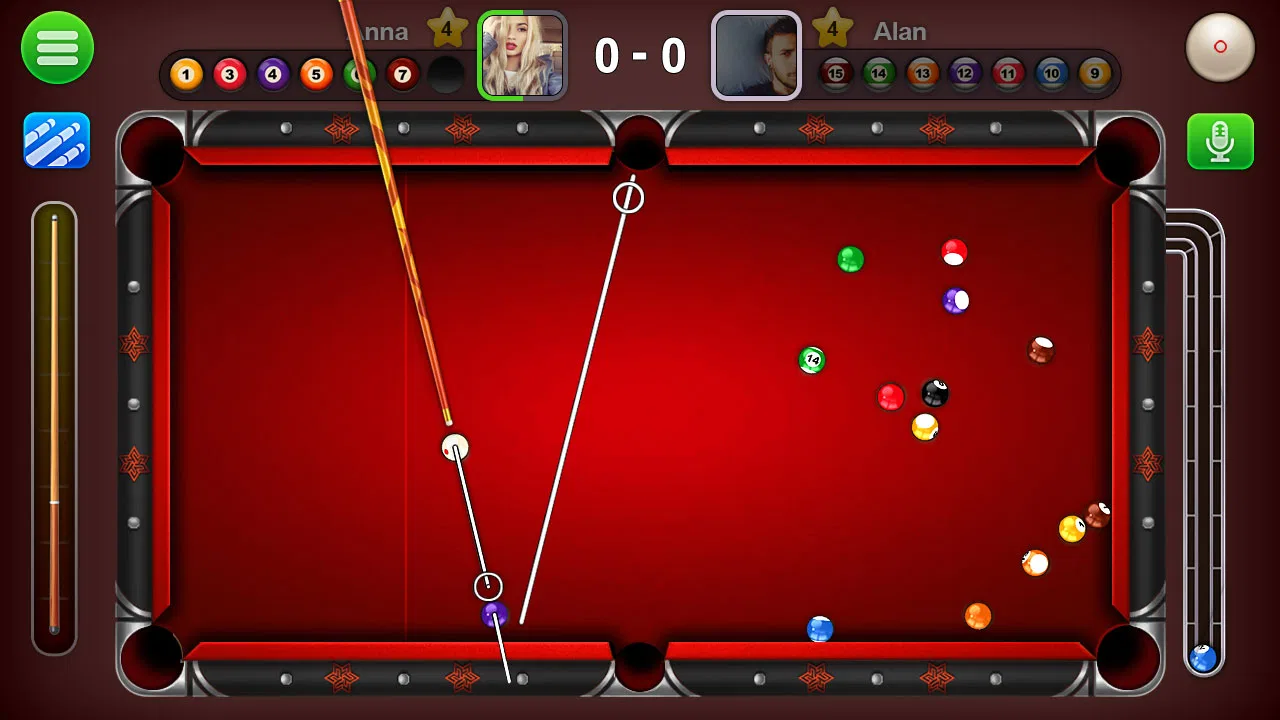
The strongest part of the experience is the clarity of the central task. A pool table gives you an obvious playing area, and the cue, balls, pockets, and aiming direction all have a direct relationship to the shot you are trying to make. I did not need a long explanation to understand the purpose of each turn. That matters for players who prefer learning by doing instead of navigating through a lot of menus.
You May Also Like

 Google Keep - Notes and lists
Google Keep’s Quiet Growth Shows the Appeal of Simpler Notes
As mobile work gets busier, Google Keep keeps winning a simple contest: capture a thought quickly, find it later, and get on with the day.

 Blood Strike: 2.5 Anniversary
Blood Strike’s Loadouts Turn Every Drop Into a Tactical Gamble
A close look at Blood Strike’s custom loadouts: how fast access to signature weapons reshapes its battle royale rhythm, rewards preparation, and narrows the gap between fights.

 Pandora - Music & Podcasts
Pandora’s Music Is Easy to Start, but Harder to Recover
Pandora’s strength is its low-effort path from a seed to a station. Its weak spot is how much confidence it asks you to place in connection, setup, and quiet recovery.

 8 Ball Pool
 Is Built on Rivalries, Rematches, and Routine
A close look at the rivalries, rematches, shared routines, and unanswered safety questions that turn a quick pool match into a persistent mobile community.

 Samsung Music
’s Quiet Strength Is Playing What You Already Own
Its reach comes less from spectacle than from dependable access to a personal library. That simplicity is both the app’s strongest retention engine and its ceiling.

 AccuWeather: Weather Radar
AccuWeather Review: A Quick, Clear Forecast for Everyday Decisions
For everyday plans, the best forecast is the one you can understand quickly. AccuWeather makes rain timing, radar, and local conditions easy to act on, with a few trade-offs.
More From Our News Desk



The interface also benefits from the familiar rules of eight-ball. Even if you are not a serious billiards player, the visual language is recognizable: you are judging angles, choosing a target, and trying to avoid giving the other player an easy opportunity. The game summary presents it as a multiplayer pool experience, and that focus is apparent in the way the match itself remains the center of attention rather than being buried beneath unrelated activities.
However, touchscreen pool is not automatically simple. The important information is concentrated in a relatively small space, and a player has to distinguish the cue direction from the position of the cue ball and the intended target. On a phone, that can become visually busy when several balls are close together. I found that a calm, deliberate setup worked much better than trying to drag quickly and correct mistakes at the last moment.
My practical advice is to treat the aiming phase as part of the game, not as a pause between turns. Before taking a shot, I look at the pocket first, then the target ball, and only afterward decide where the cue ball should finish. That simple order reduces accidental shots and is especially useful for anyone who finds several moving visual elements difficult to process at once.
Navigation that suits short sessions
For a casual player, the appeal is that the game can fit into a short break. I can imagine opening it while waiting for a bus, playing a match, and putting the phone away without needing to remember a complicated story or a large set of objectives. That makes it more approachable than sports games that require a long career mode or extensive team management before the interesting part begins.
The trade-off is that a match still demands attention once it starts. A real-world interruption at the wrong moment can affect a shot, so I would not treat it as a completely passive time-filler. If you are looking for something you can play while frequently switching to messages or other tasks, a turn-based puzzle may be more forgiving. This game is better when you can give the table your full attention for a few minutes.
The developer, Special Tag, keeps the concept focused on the familiar pool format. That focus is useful for new players because there are fewer unrelated systems to learn. It also means that anyone expecting a broad sports collection, a detailed billiards career, or a deep management layer should adjust expectations before downloading it.
Motor demands and sensory comfort
The main physical demand is controlled touch movement. A successful shot depends on making small adjustments rather than simply tapping a button, so players with limited fine-motor control may find the aiming process tiring or inconsistent. The game can be enjoyable for someone who likes careful gestures, but it is less suitable for a player who needs large, forgiving controls or who struggles with precise dragging on a phone screen.
This is one reason I would recommend trying it in a stable posture rather than while walking or standing on a crowded train. Resting the phone securely makes it easier to make small aiming changes, and it reduces the chance of a hand movement turning a promising shot into a foul or a missed opportunity. That is a small change in routine, but it noticeably improves control.
Visual attention is just as important as touch accuracy. The player has to read the layout of the table, estimate paths, and notice how the cue ball may travel after contact. Someone with reduced vision may find the standard display difficult, particularly when balls overlap or sit near the cushions. I would not assume that the game offers specialized visual adjustments; instead, I would judge it by whether the table remains comfortable to read on the particular phone being used.
A larger screen can make a meaningful difference. I found that a tablet-sized display would be more comfortable for careful aiming than a compact phone, even though the game is designed for mobile play. Increasing the device’s general text or display scaling may help with surrounding interface elements, but it will not necessarily enlarge every object inside the match. That is an important distinction for players who rely on larger visual targets.
Sound can also affect comfort, although the core action is visual. If you prefer playing quietly, the game is still understandable through the table and cue interaction rather than spoken instructions. Playing with the device muted may be preferable in a shared space, while headphones can make the session more private when environmental noise is distracting. I would still keep the screen visible, because audio alone cannot replace the visual information needed to aim.
Playing in different everyday situations
In a realistic everyday scenario, I would use it during a short lunch break when I want a competitive activity without committing to a long sports title. I would sit down, play one or two matches, and stop before the break ends. The format works well for that routine because the objective is immediately understandable and the skill comes from each shot rather than from building a complicated roster.
It can also work as a social game between people who already enjoy pool. The multiplayer focus gives friends a simple subject to compete over, and the rules are easier to explain than those of many specialized sports games. Still, players should agree on whether they want a relaxed match or a serious contest. A small screen and variable touch precision can make a close game feel less like a test of pure billiards ability and more like a test of who can manage the mobile controls better.
For younger players, the Everyone rating makes the content broadly suitable from an age-classification perspective. I would nevertheless encourage adults to pay attention to spending behavior, because the game includes optional in-app purchases ranging from $0.99 to $99.99 per item. The free download is enough to try the core experience, but families should use the device’s normal purchase safeguards if children may access the game.
That purchase range is also relevant to adults who prefer completely predictable costs. I appreciate being able to start without paying, but free-to-play design can create a different kind of pressure: the temptation to spend in order to keep the experience moving or to gain convenience. I would approach the game with a personal rule to play within the free experience first and decide later whether any optional purchase genuinely improves my enjoyment.
Where it stands beside other pool games
Compared with a traditional offline billiards game, this title is more appealing if your priority is competing with other players rather than practicing alone. The multiplayer emphasis gives each match a sense of consequence that a solo table may lack. On the other hand, a dedicated offline simulator can be a better choice for someone who wants uninterrupted practice, a calmer pace, or a more controlled environment for learning angles.
Compared with larger sports games, it is much narrower and easier to understand. There is no need to learn a full team, a season schedule, or a collection of players before playing pool. That simplicity is a genuine strength for casual users. The weakness is equally clear: if you want variety across several sports or long-term progression that feels like a complete sports career, the focused billiards format may become repetitive.
It also differs from a purely casual arcade game because a good result depends on planning. I cannot rely only on fast tapping. I need to think about the first contact, the pocket, and where the cue ball will stop. That makes it more satisfying for players who enjoy small tactical decisions, but less comfortable for anyone who wants instant reactions and very forgiving outcomes.
Barriers that remain for some players
The most significant barrier is the combination of a small display and precision touch. Players with tremors, limited reach, reduced dexterity, or difficulty maintaining a steady gesture may find the experience harder than the rules suggest. The game’s simplicity does not remove the need for accurate movement. Before committing to long sessions, I would test whether the aiming action feels comfortable and whether the phone can be held without strain.
Another barrier is visual density. When the table contains several balls in nearby positions, the player must separate objects and predict paths quickly. A person with color-vision differences may also want to check whether ball distinctions remain clear on their particular display and brightness setting. I would not base a purchase decision on assumptions about specialized support; the practical test is whether you can identify the relevant balls comfortably during a real match.
Competitive play can introduce a different kind of access issue: interruptions. A noisy environment, an unstable connection, or a sudden need to put the phone away can make a match difficult to finish fairly. This is why I see the game as best suited to planned short sessions rather than moments when you expect constant distractions. If your day is unpredictable, a solo game with pause-friendly play may be a better fit.
There is also the emotional barrier of losing because of a missed gesture. New players may understand the rules but still need time to develop a reliable touch routine. I recommend starting with conservative shots rather than attempting difficult combinations immediately. Aim for a clear pocket, leave the cue ball in a manageable area, and use early matches to learn how much movement the control actually produces.
Who will enjoy it most
I would recommend it to players who like pool, short competitive matches, and games that reward patience. It is particularly suitable for someone who wants a sports title that can be understood quickly but still offers room to improve. The multiplayer angle gives casual sessions a reason to continue, while the familiar eight-ball structure keeps the learning curve from becoming overwhelming.
I would be more cautious about recommending it to players who need extensive accessibility customization, dislike touch-based precision, or want a completely offline and interruption-friendly experience. It may also disappoint anyone searching for a broad sports package rather than a dedicated billiards game. In those cases, a simpler solo title or a more feature-rich sports simulation could be a better match.
The game has clearly found a substantial audience, with an average rating of 4.5 from around 132 thousand ratings and more than 10 million installs. Those figures suggest that its straightforward pool concept connects with many mobile players, although popularity does not remove the personal question of whether the controls feel comfortable in your hands.
It was released on December 6, 2017, and the current version is 3.20.3190. Android users need version 6.0 or later, which covers many devices but still makes checking compatibility worthwhile on older hardware. The game remains free to start, with optional purchases, so the sensible approach is to install it, test the table on your own screen, and decide whether the aiming feels natural before spending anything.
My inclusive verdict
After looking at it through the needs of different players and situations, I see 8 Ball Live as an approachable but not universally effortless pool game. Its rules are familiar, its purpose is clear, and its short-match structure makes it easy to fit into ordinary life. I like that a new player can understand the goal quickly without first studying a large collection of menus or systems.
Its accessibility depends heavily on the person and the device. A large, bright screen and a steady playing position can make the experience much more comfortable, while a compact phone, shaky surroundings, or difficulty with precise gestures can expose its limitations. The game does not need to be difficult to understand in order to be physically demanding to control, and that is the central point I would want a friend to know before downloading it.
My recommendation is to try it as a free, focused multiplayer pool game, not as a complete solution for every player or every sports preference. If you enjoy planning shots and can comfortably manipulate a touchscreen, it offers a satisfying way to turn a few spare minutes into a proper billiards match. If you need large controls, extensive customization, or reliable play during interruptions, I would choose a different kind of game. For the right player, though, Special Tag’s compact approach makes this a pleasant and easy-to-understand entry in mobile sports gaming.
FAQs for 8 Ball Live - Billiards Games
01What is 8 Ball Live - Billiards Games?
8 Ball Live - Billiards Games is a mobile pool game focused on classic eight-ball matches. It lets you practice your shots, compete against other players, and improve your control of angles, power, and spin. The game is designed for short sessions, making it suitable for casual play, although competitive matches can become surprisingly challenging as opponents get better.
02Can I play 8 Ball Live offline?
Offline availability may depend on the specific game mode and version installed on your Android or iOS device. Some pool games include practice or single-player options that can work without an internet connection, while live multiplayer matches normally require a stable connection. Before downloading, check the store description and test the available modes if offline play is important to you.
03Does the game support online multiplayer?
Yes, 8 Ball Live - Billiards Games is primarily designed around competitive pool gameplay, and online matches are an important part of the experience. Playing against real opponents can make each round more exciting than practicing alone. However, matchmaking quality, waiting times, and connection stability can vary depending on your region, internet speed, and the number of active players.
04Is 8 Ball Live - Billiards Games free to download?
The game can generally be downloaded without an upfront purchase, but free access may include advertisements, optional in-app purchases, or virtual currency systems. These purchases may help unlock cues, cosmetics, or other content, depending on the current version. I recommend reviewing the store listing and your device’s purchase settings before playing, especially if children use the device.
05Is 8 Ball Live suitable for beginners?
8 Ball Live - Billiards Games is approachable for beginners because the basic rules and controls are easy to understand. New players can learn by experimenting with shot strength, aiming, cue-ball positioning, and spin. Nevertheless, winning consistently requires practice, since experienced opponents usually plan several shots ahead and take advantage of small positioning mistakes.
Pros
- Quick online matches are easy to start and finish.
- Realistic ball physics make shots feel satisfying.
- Multiple table styles add visual variety.
- Simple controls work well on phones and tablets.
- Practice options help new players learn basic shots.
Cons
- Some features may require in-app purchases.
- Online play depends on a stable internet connection.
- Ads can interrupt the experience between matches.
- Skill gaps may make some multiplayer games frustrating.
- Battery use can increase during extended sessions.

8 Ball Live - Billiards Games
Gallery